



India's External Affairs Minister S. Jaishankar held crucial talks with his Russian and Iranian counterparts on the sidelines of the 81st UN General Assembly in New York. These meetings took place in the shadow of fresh U. S. sanctions against countries buying oil and gas from Russia and Iran.
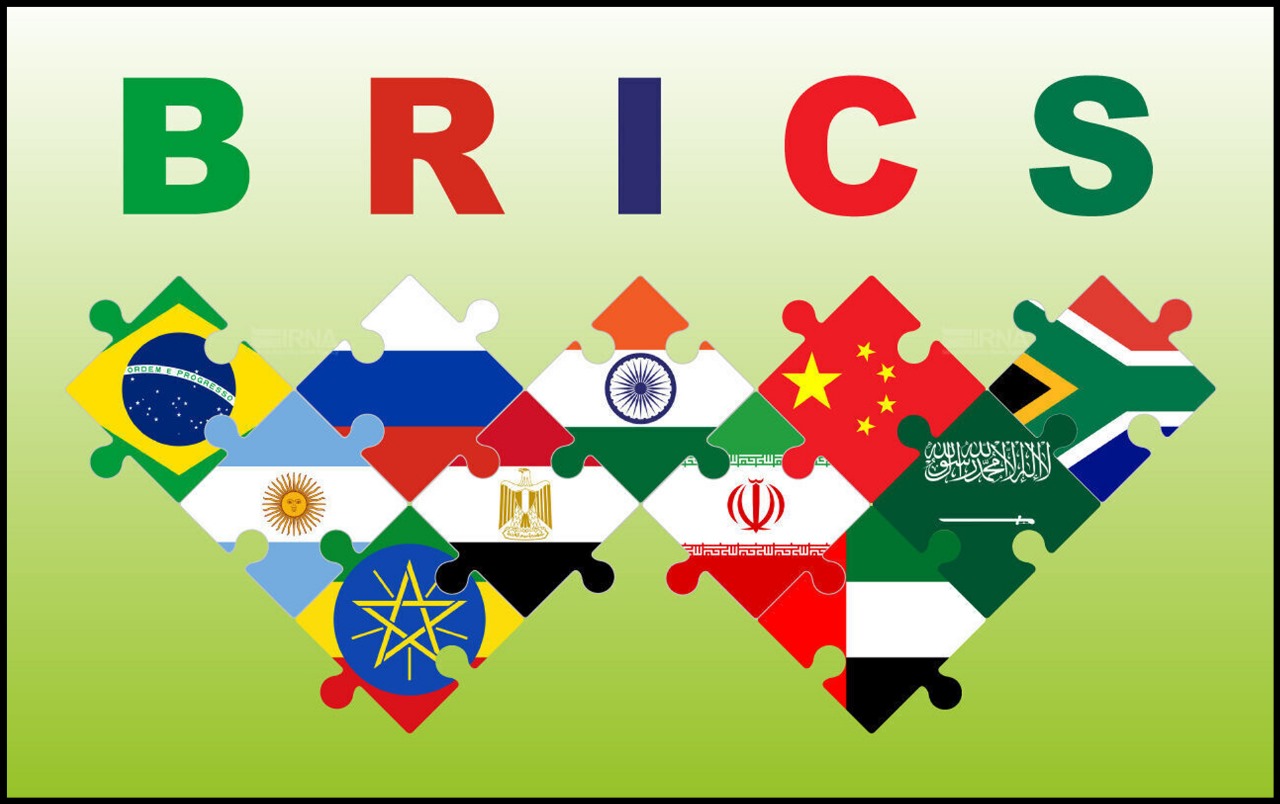
When Jaishankar met Russian Foreign Minister Sergey Lavrov, they tackled a host of bilateral issues and looked at ways to deepen cooperation within the BRICS group. Their discussions also addressed the Ukraine crisis and the situation in the Middle East. Both ministers vowed to bolster their “special and privileged strategic partnership” and keep working closely together in international bodies like the UN and G20.
In talks with Iranian Foreign Minister Seyed Abbas Araghchi, Jaishankar focused on the ongoing Gulf conflict. He expressed appreciation for the dialogue and stressed the importance of keeping communication channels open between the two countries.
These diplomatic conversations came hot on the heels of U. S. President Donald Trump signing the ‘Lindsey O. Graham Sanctioning Russia and Iran Act of 2026’. This law ramps up sanctions on Russia and extends existing ones on Iran, affecting countries such as India and China that engage in oil and gas trade with these nations.
India has reaffirmed its dedication to securing energy for its 1.4 billion citizens through varied sources, despite the U. S. sanctions. These sanctions give President Trump the power to impose tariffs on Russia's trading partners, including India and China, in the oil and gas market.
Keeping up a busy pace at the UN, Jaishankar co-chaired the India-Gulf Cooperation Council (GCC) Troika Ministerial Meeting. The meeting assessed the progress of the India-GCC Joint Action Plan 2024–28 and discussed ways to boost the partnership. India welcomed the start of free trade agreement talks with the GCC, aiming to enhance ties in trade, investment, and energy.
Jaishankar also co-chaired an event on ‘AI in the Context of International Peace & Security, with an Emphasis on Maritime Security’ with Greek Foreign Minister George Gerapetritis. He talked up AI's potential for improving maritime domain awareness and disaster response, while warning of the risks linked to increased autonomy in maritime systems.
He underscored the need for transparency, confidence-building, and technical cooperation to ensure AI development respects international law and the UN Charter. The New Delhi Declaration was referenced, stressing democratic access to AI resources and the need for secure, trustworthy systems.


