


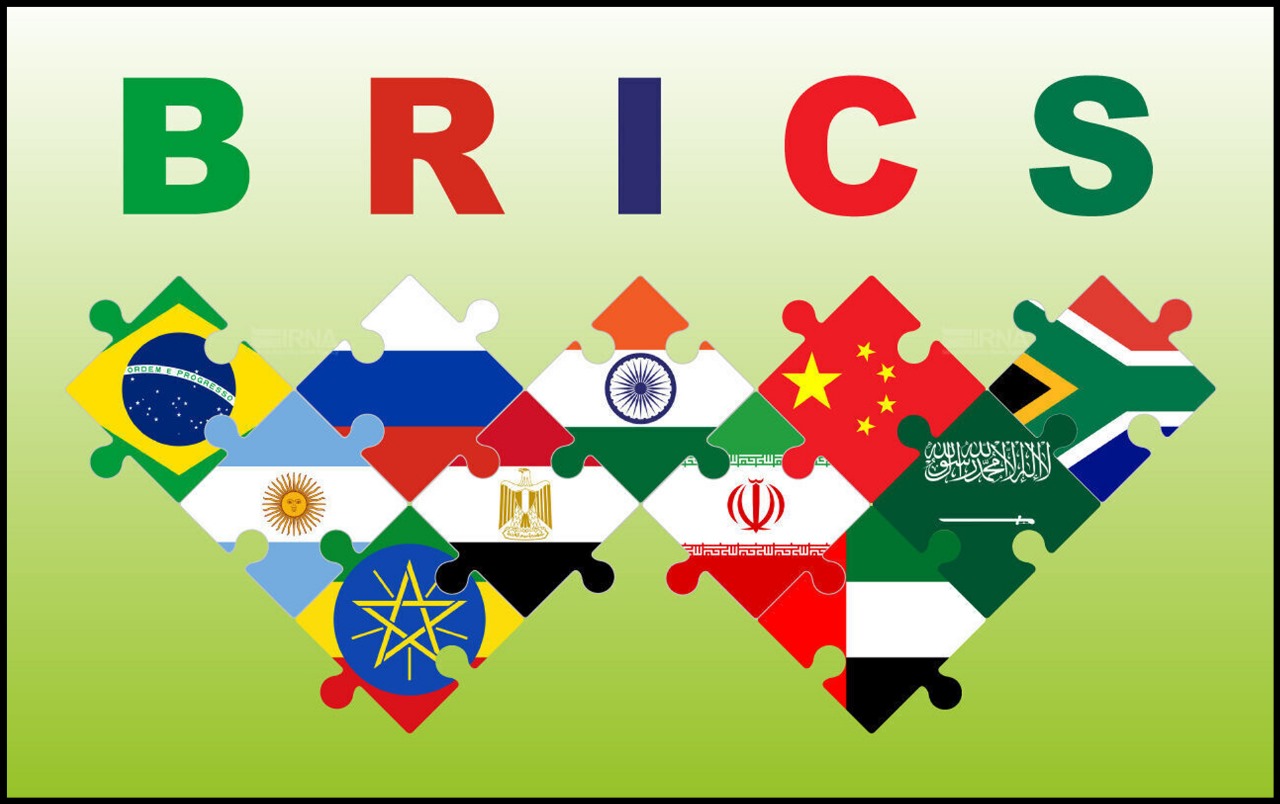

As leaders from the expanded BRICS bloc gather in Delhi this weekend, the shadow of U. S. President Donald Trump looms large over the summit. Hosted by India, the meeting brings together representatives from 11 nations, including China, Russia, Brazil, South Africa, and invited members like Saudi Arabia. Discussions will span a wide range of topics, with Trump's policies, especially his aggressive tariff strategies and the war in Iran, influencing the context of the talks.
The BRICS nations face internal divisions that make it tricky to adopt a unified stance against Washington. While Russia and Iran might push for a stronger opposition to Trump, countries like India and China are likely to resist such moves. India is on the cusp of finalizing a trade deal with the U. S., so it treads carefully to avoid any statement that might upset the White House. Likewise, China might steer clear of using BRICS as a platform to directly challenge the U. S.
The United Arab Emirates, which hosts US military bases, is unlikely to endorse any statement that could benefit Iran. Michael Kugelman, a senior fellow at the Atlantic Council, points out that the expansion of BRICS has amplified its importance but also made consensus harder to achieve. He emphasizes the varied perspectives and positions within the group, which complicate efforts to present a united front.
Trump has been vocal against BRICS, especially its attempts to lessen reliance on the U. S. dollar in global trade. He's threatened 100% tariffs on BRICS nations if they back an alternative currency. Despite these hurdles, BRICS aims to assert its growing geopolitical and economic clout. The bloc now accounts for 49% of the world's population, 40% of global GDP, and 26% of international trade.
BRICS' notable achievements include the New Development Bank, which has channeled billions into infrastructure projects, and a $100 billion contingency reserve arrangement for financial crises. The group is also exploring ways to facilitate cross-border payments in local currencies, a move particularly appealing to Moscow and Tehran due to U. S. sanctions.
The summit gives India a chance to boost its leadership of the global south. India's foreign policy focuses, such as multilateralism and greater representation for developing nations, align with BRICS' agenda. However, India must navigate China's significant influence within the group and its stronger presence in the developing world.
Kugelman notes that India's efforts to elevate its profile in Africa and Latin America haven't matched China's success. The expanded BRICS presents India with an opportunity to strengthen ties with countries like Ethiopia, Brazil, and Indonesia. For Delhi, securing a consensus statement would mark a diplomatic win, but differences over the Iran war and U. S. relations pose challenges.
India's experience as the G20 host in 2023, where it managed a joint declaration despite divisions over Russia's war in Ukraine, might provide some confidence. The summit is expected to carefully craft any language on the U. S. to avoid confrontation.
Washington will be closely monitoring the summit, which also sets the stage for key bilateral meetings. Chinese President Xi Jinping's meeting with Indian Prime Minister Narendra Modi will be closely watched as the two countries work to rebuild ties. Modi is also slated to meet Russian President Vladimir Putin, with the Ukraine war likely to be a significant point of discussion.
Beyond geopolitics, India's trade deficit with Russia and China is expected to feature in the talks. A successful summit would enhance BRICS' influence and serve as a diplomatic achievement for India, which seeks to reassert its international role. Kugelman underscores the high stakes for India, noting its recent overshadowing by Pakistan's diplomatic efforts in the Middle East. He argues that the summit is crucial for India to reaffirm its global leadership.


