Nigeria has formally summoned South Africa's acting High Commissioner in Abuja following a recent surge in attacks targeting its nationals and other foreign citizens across the southern African nation. The diplomatic action, which involved a meeting with the envoy on Monday, aims to convey Nigeria's "profound concern" over incidents that threaten to strain the established bilateral relations between the two prominent African powers.
The urgent meeting focused specifically on recent demonstrations organised by anti-immigrant groups and "documented instances of mistreatment of Nigerian citizens and attacks on their businesses" within South Africa. This diplomatic intervention follows a period of heightened tension and violence that has reportedly claimed the lives of at least two Nigerians and four Ethiopians in recent weeks, alongside attacks on citizens from various other African countries, according to local media reports.
Escalating Xenophobic Violence and Diplomatic Fallout
For decades, South Africa, as the continent's most industrialised economy, has attracted people from across Africa seeking employment and better opportunities. However, this migration has frequently led to xenophobic sentiments among some sections of the local population, who accuse foreigners of being in the country unlawfully, taking jobs from citizens, and being involved in criminal activities, particularly drugs trafficking.
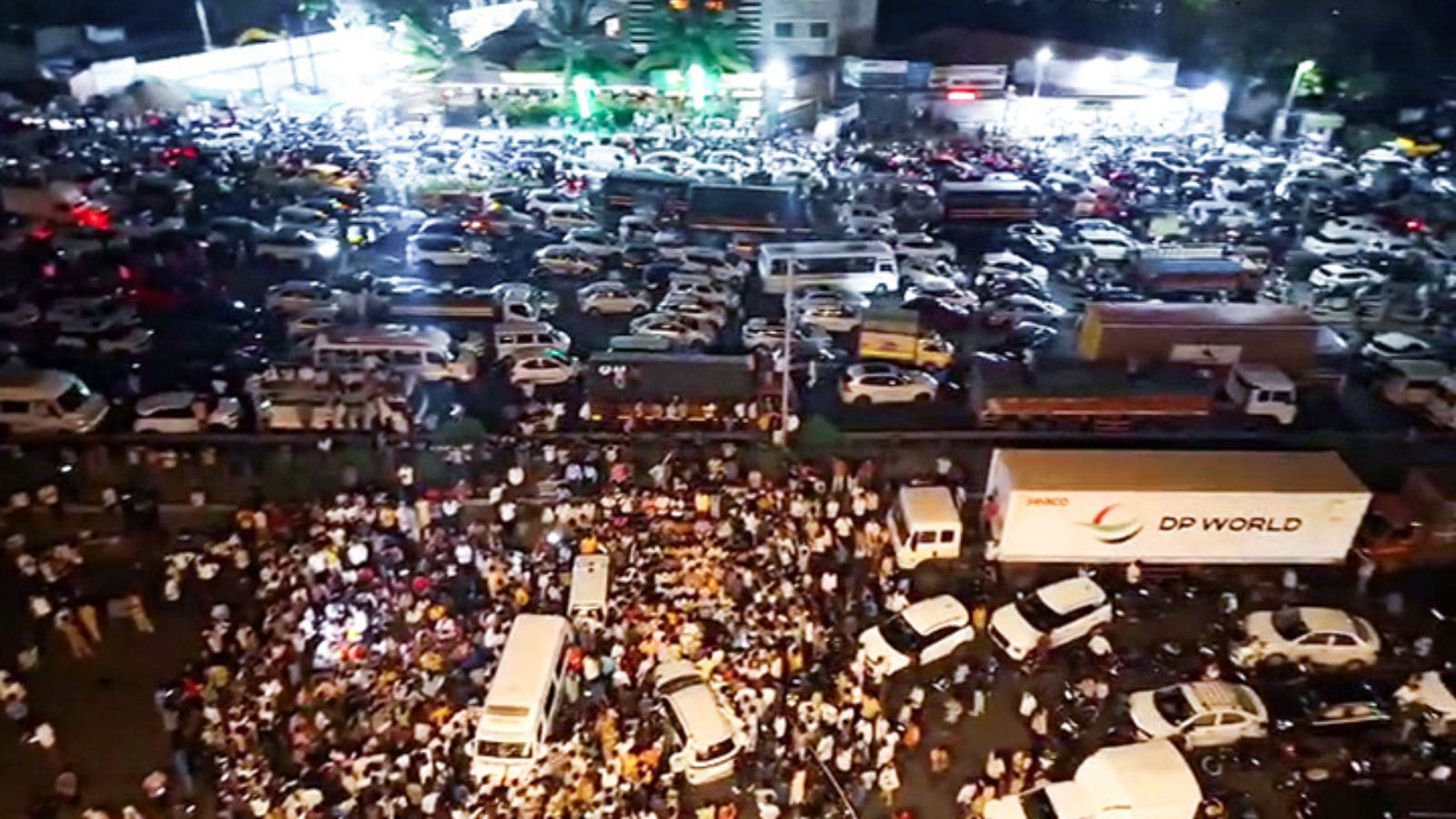
Anti-immigrant groups have intensified their activities, reportedly stopping individuals outside public facilities such as hospitals and schools to demand identity papers. During a march by one such group in the capital, Pretoria, last week, foreign-owned businesses were strongly advised to close their doors to prevent potential violence. These actions have instilled fear and uncertainty within the expatriate communities.
The human toll of these attacks extends beyond physical harm, impacting the sense of safety and belonging for many. A Nigerian man, speaking to BBC Pidgin during the unrest, expressed his dismay, stating:
"It is not okay because we are blacks, we are brothers... everybody comes here just to survive."Similarly, a security guard, prevented from attending work due to a protest, conveyed his disappointment to the BBC:
"It's not what we expected as fellow Africans. It's just making us scared - imagine if we're scared in our own African continent - what if we go to Europe?"
Presidential Condemnation Amidst Public Grievances
In response to the escalating violence, South African President Cyril Ramaphosa has publicly condemned the attacks. However, he also issued a caution to foreign nationals, reminding them of the importance of respecting local laws. During his recent Freedom Day address, which commemorates the country's inaugural democratic elections in 1994, President Ramaphosa invoked history, reminding South Africans of the crucial support other African nations provided during the struggle against the racist system of apartheid.
Despite official calls for unity, underlying grievances persist among some South Africans. These sentiments are often fuelled by high unemployment rates and economic disparities, leading to the perception that foreign nationals are contributing to these challenges rather than alleviating them. The rhetoric often focuses on allegations of foreigners being in the country illegally, usurping jobs, and engaging in illicit activities.
The current diplomatic incident with Nigeria is not isolated. Last month, Ghana similarly summoned South Africa's top envoy after a widely circulated video depicted a Ghanaian man being challenged to produce his immigration documents. Furthermore, anti-immigrant sentiment saw a notable rise earlier this year following reports that the head of the Nigerian community in the port city of KuGompo (formerly East London) had been installed in a traditional role, which some South Africans in the local area interpreted as an attempt to seize political power.
Migration Patterns and Socio-Economic Undercurrents
According to official figures, South Africa is home to approximately 2.4 million migrants, constituting just under 4% of its total population. However, it is widely believed that a significantly larger number of foreign nationals reside in the country unofficially. The majority of these migrants originate from neighbouring countries such as Lesotho, Zimbabwe, and Mozambique, nations with a long history of providing migrant labour to their economically stronger neighbour.
While a smaller proportion of migrants come from Nigeria, the recent events highlight the broader challenges of managing migration flows and integrating foreign populations within South Africa's complex socio-economic landscape. The country faces persistent issues of poverty, unemployment, and inequality, which can exacerbate competition for resources and fuel resentment towards foreign nationals. The government's challenge lies in addressing these domestic pressures while upholding its commitment to regional solidarity and human rights.
The key factors often cited by some South Africans as reasons for anti-immigrant sentiment include:
- Accusations of foreigners residing in the country illegally.
- Claims that foreign nationals are taking jobs away from locals.
- Allegations linking foreigners to criminal activities, particularly drugs trafficking.
These issues underscore the delicate balance between national interests and regional cooperation, particularly for two of Africa's most influential nations, Nigeria and South Africa.