



Pakistan and China have signed a boundary agreement over a disputed Himalayan region, drawing sharp criticism from India. The deal, called the Pakistan-China Boundary Joint Commission, was finalized last week. Pakistan hailed it as a significant step in enhancing border management, trade, and connectivity between the two nations.
India has rejected the agreement outright, claiming it has no legal standing. The Indian government asserts that the territory in question, including the Shaksgam Valley, belongs to its Ladakh region. It was occupied by Pakistan before being ceded to China in 1963. "There is no boundary between Pakistan and China. We reject the so-called Joint Commission, which is without any legal basis, " said Indian foreign ministry spokesman Randhir Jaiswal.
These developments come amid efforts by India and China to stabilize their relations following years of military tension along the Line of Actual Control (LAC). At the same time, China and Pakistan are increasing their cooperation along a disputed frontier.
Jabin T Jacob, a professor at Delhi's Shiv Nadar University, noted that the commission revives an old mechanism from the 1963 Sino-Pak Agreement. He suggested the timing may relate to China's broader strategy of defining its boundaries and formalizing border exchanges, especially given volatility along Pakistan's other borders.
Jacob highlighted a clause in the 1963 treaty allowing for renegotiation once the Kashmir dispute is settled. "India should be worried, " he remarked, pointing out China's global media influence could overshadow India's objections.
Pakistan and China already have extensive infrastructure ties in the region, including the China-Pakistan Economic Corridor (CPEC) and the Karakoram Highway. Husain Haqqani, a former Pakistani ambassador to the US, described the new commission as both practical and political. It aims to boost border cooperation and safeguard strategic infrastructure tied to CPEC, while signaling to India that China views Kashmir through a Pakistani perspective.
Haqqani noted that Pakistan's stance on Kashmir has evolved, particularly after India's revocation of Article 370, which granted special autonomy to Jammu and Kashmir. He suggested that Pakistan sees no issue with institutionalizing its longstanding arrangement with China.
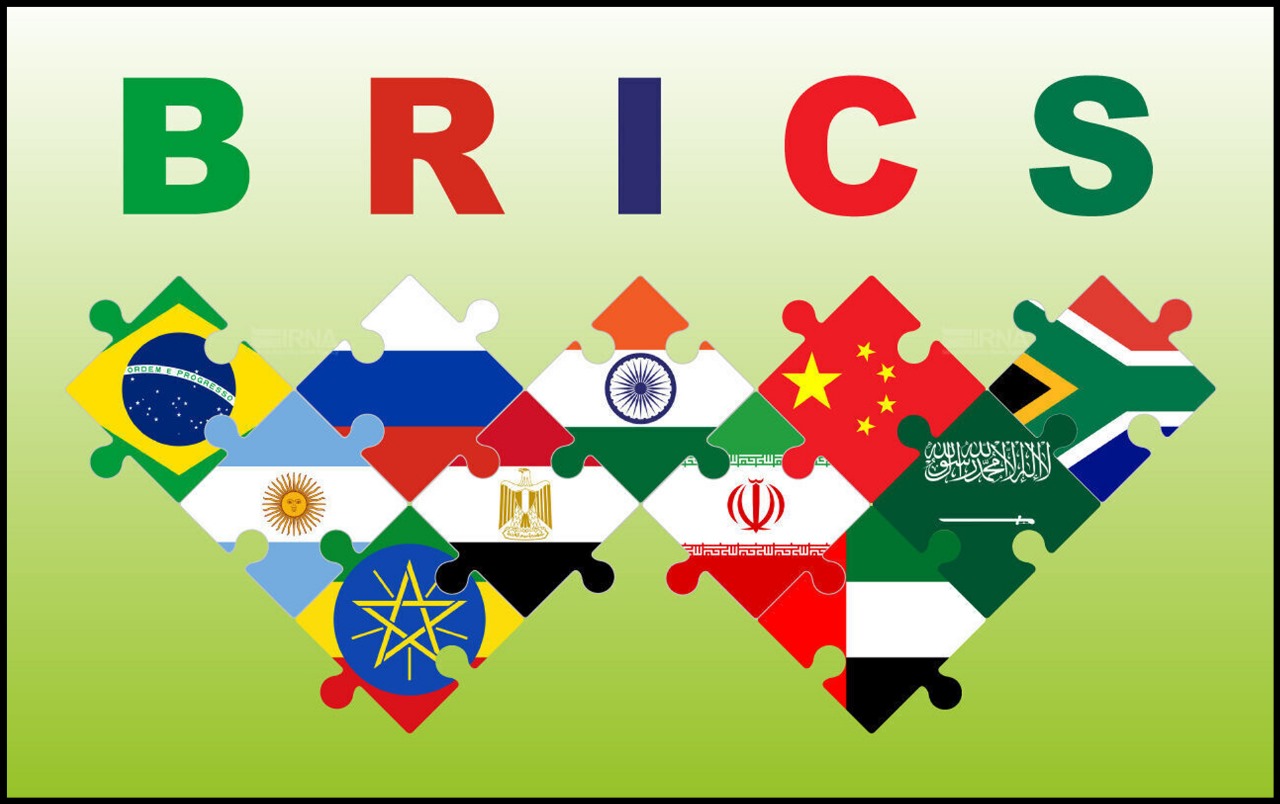
For China, the arrangement with Pakistan serves dual purposes. It strengthens ties with Islamabad and reinforces India's concerns about a two-front threat from China and Pakistan. Haqqani observed that the timing of the announcement, following President Xi Jinping's recent BRICS summit, likely aimed to reassure Pakistan of their strategic partnership and remind India of China's consistent stance on South Asia.
Despite these moves, Jacob cautioned against viewing them as a direct military threat to India. "There aren't any immediate or apparent implications for the LAC as of now, " he said, suggesting the significance lies in the gradual institutionalization of arrangements that India opposes.
India remains steadfast in its position. Jaiswal reiterated that any attempt to legitimize Pakistan's occupation of Indian territory is unacceptable and does not affect India's sovereignty. However, Haqqani believes the core disagreement between India and China is more about geo-strategy than cartography, indicating limits to what border negotiations and management can achieve.


