

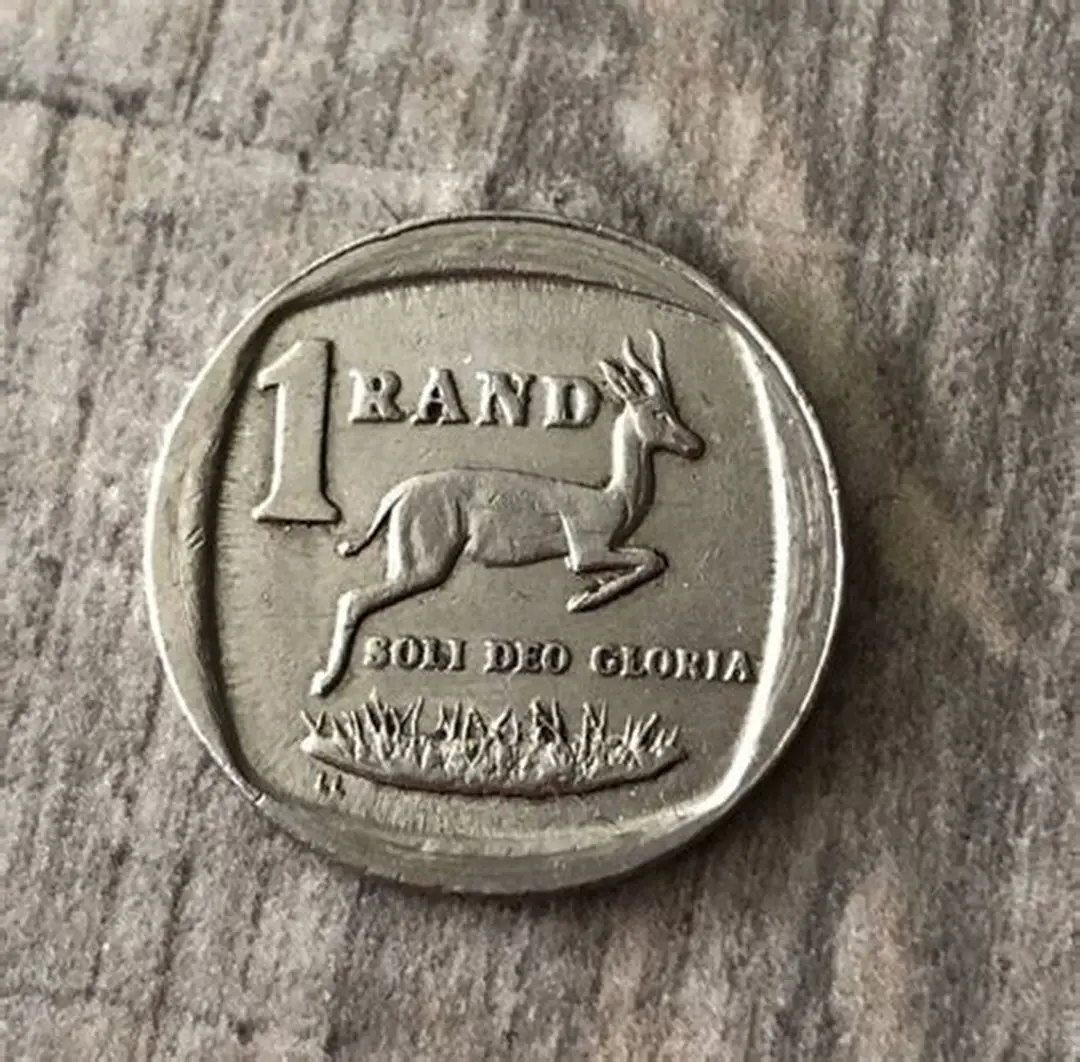
The South African rand barely budged today, trading at 17.6025 against the U.S. dollar in early Asian hours, just a whisker off Monday’s close. Investors are poised for the South African Reserve Bank’s (SARB) leading business cycle indicator for June, due at 0700 GMT, which collects data on vehicle sales, business confidence, money supply and other gauges of economic momentum.
With the rand largely range-bound, market participants say the upcoming data release could serve as a rare catalyst for fresh direction after weeks of muted moves. Should the leading indicator register a surprise uptick, the rand may find some support as traders revisit expectations for South Africa’s growth trajectory.
Beyond Today’s key print, a slate of domestic releases this week is expected to keep local economists and foreign portfolio managers busy. On Thursday, producer price inflation figures will offer insights into underlying cost pressures in the manufacturing sector. Money supply (M3) and private sector credit data, due the same day, will shed light on borrowing trends among firms and households.
Speaking early Today, one Johannesburg-based portfolio manager noted that the rand’s current stability masks a tug-of-war between domestic headwinds, chiefly high unemployment, policy uncertainty and electricity constraints, such as U.S. dollar strength and shifting risk appetite in emerging markets.
South Africa’s benchmark 2035 government bond yield rose two basis points to 9.595% in early trade, reflecting a slight uptick in long-term funding costs. With the central bank’s repo rate at 8.25% and headline consumer inflation within the 3–6% target band, bond yields will be sensitive to the coming data flow and any signals on future monetary policy.
Analysts warn that while short-term data surprises can unsettle local markets, the rand’s longer-term direction hinges on structural reforms. Tackling electricity shortages, streamlining regulatory bottlenecks and cementing fiscal consolidation are seen as vital to anchoring investor confidence and reducing currency volatility.
As the business cycle indicator looms, traders will be watching for clues on whether South Africa’s economy is gaining momentum or remains stuck in low-growth territory. Either way, this week’s data could finally nudge the rand out of its recent holding pattern.


