



India is gearing up to take part in the 'Partners for Multilateralism' (P4M) session happening in New York on Monday, September 21, 2026. This initiative is being driven by leaders from the European Union, Brazil, Kenya, and Canada. Their goal? To push for a multilateral approach within the United Nations (UN) framework.
The P4M will make its debut during the UN General Assembly's high-level debate. The focus is sharp: make the UN more representative and better equipped to tackle global challenges like artificial intelligence, climate change, health security, and digital transformation. In a joint editorial, key leaders such as European Commission President Antonio Costa, Brazilian President Lula da Silva, Kenyan President William Rutto, and Canadian Prime Minister Mark Carney stressed the pressing need to reform multilateral institutions to boost their legitimacy and effectiveness.
Prime Minister Carney had earlier spotlighted the potential of 'middle powers' banding together in a speech at the World Economic Forum in Davos. His words echoed the growing frustration with the unilateral actions of Russia and China, and also with the United States under President Donald Trump's second term, especially regarding trade policies and the conflict in Iran.
Officials have confirmed that S. Jaishankar, India's External Affairs Minister, will be present at the P4M session, which is set for 6:30 p.m. in New York (4 a.m. IST on Tuesday). Jaishankar will lead the Indian delegation at the UN sessions and is slated to deliver India's national address at the UNGA on Saturday, September 26.
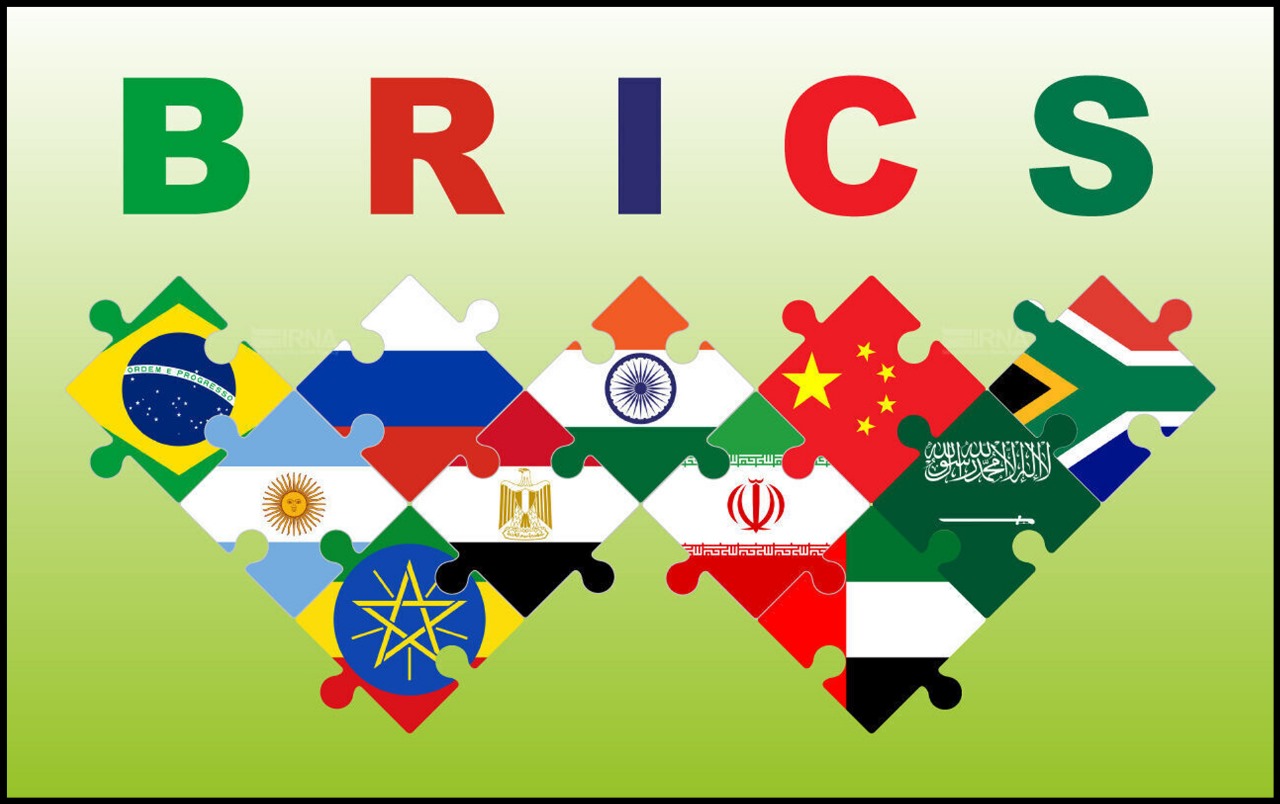
It’s not clear if India was specifically asked to back the joint message, but the country is already part of several groups with similar goals, like the Non-Aligned Movement, BRICS, G20, and G-4. The editorial from the P4M founders resonated with comments made by United Nations Secretary-General António Guterres. He has talked about the limits of superpowers. Guterres, who is stepping down later this year, highlighted the ongoing conflicts involving Russia in Ukraine and the U. S. in Iran as examples of these limitations.
In an interview with The Hindu, Guterres shared his view that superpowers need to acknowledge their limits to help create a more peaceful world. He made these comments during his visit to New Delhi for the 18th BRICS Summit.
The P4M editorial was clear: the group isn't looking to form another exclusive bloc or international bureaucracy. Instead, it wants to set up a flexible, open framework for countries from various regions and political traditions. The aim is to build coalitions for reform and turn shared principles into practical action.
The editorial also pointed out that 2025 saw the highest number of state-based armed conflicts since 1946, happening in 35 countries, along with record military spending close to $3 trillion. This backdrop highlights the urgent need for collective action and reform in global governance structures.


