

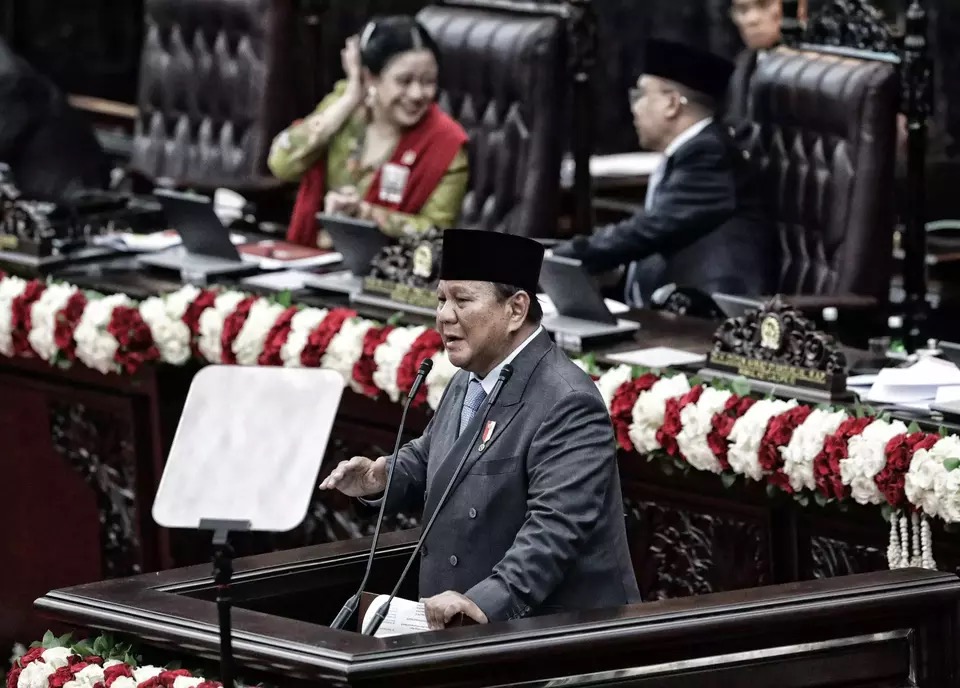
Indonesias tax to GDP ratio stuck around 10 percent reveals deep rooted systemic issues demanding bold reform. In his August 18 2025 budget speech President Prabowo Subianto set a target of 10.47 percent for 2026 a slight uptick from this years 10.03 percent projection. Historical data 10.39 percent in 2022 10.31 percent in 2023 and 10.08 percent in 2024 shows little progress starkly lagging behind the OECDs 2023 average of 33.9 percent. The culprits are clear a sprawling shadow economy widespread corporate tax evasion and a weak fiscal framework. Without transformative action Indonesia risks perpetuating underfunded public services rising debt and missed opportunities for inclusive growth. This opinion explores these challenges and proposes a path forward.
The informal economy often synonymous with the shadow economy is a major barrier. CSIS Indonesia reports that 59 percent of the workforce operates informally including street vendors and ride hailing drivers. Of 145 million working age individuals only 17 million pay taxes regularly. Micro small and medium enterprises the economys backbone often lack tax literacy. World Economics estimates Indonesias informal economy at 23 percent of GDP roughly 1.43 trillion dollars at purchasing power parity. Regional disparities are stark with the shadow economy ranging from 4.73 to 42.64 percent of gross regional domestic product across provinces. This isnt just a symptom of poverty bureaucratic complexity high compliance costs and lack of incentives deter formalization. The result is a cycle where low tax revenue limits investments in education healthcare and infrastructure further entrenching informality.
Corporate tax evasion compounds the issue. Deni Friawan of CSIS highlights weak compliance among large firms particularly in resource intensive sectors like mining and palm oil. Transfer pricing allows multinationals to shift profits to tax havens draining billions. A 2021 Tax Justice Network report exposed mispricing in pulp and paper industries triggering government scrutiny. Studies indicate 25 percent of formal firms engage in evasion with higher rates among those frustrated by tax administration 32 to 38 percent versus 20 to 24 percent. Political connections and regulatory loopholes enable this particularly in resource extraction where reliance on royalties over progressive taxes limits revenue capture. During commodity booms the state misses windfall profits due to lax oversight a point echoed by a World Bank report critiquing ineffective administration.
Comparisons with Southeast Asia highlight Indonesias lag. The OECDs 2025 Revenue Statistics in Asia and the Pacific shows a regional average of 19.6 percent with ASEAN8 at 14.3 percent in 2023. The Philippines 17.9 percent and Thailand 16.7 percent outperform Indonesias 12 percent unchanged from 2022 to 2023. Even Lao PDR at 11 percent shows more reform momentum. Singapores efficient system exceeds 20 percent while Vietnams digitalization efforts have widened its tax base. Indonesias reliance on informal sectors and resources coupled with weak enforcement explains much of the gap.
The governments response notably the Coretax digital platform is a step forward but falls short. Launched in 2025 Coretax aims to streamline tax administration supported by a 500 million dollar Asian Development Bank loan for upgrades. Finance Minister Sri Mulyani Indrawati insists no new taxes are planned emphasizing internal reforms like data sharing. Yet Coretaxs rocky rollout plagued by technical issues contributed to a revenue dip with the tax ratio falling to 8.42 percent early this year jeopardizing the 11 percent target. New regulations like PER8PJ2025 and PER11PJ2025 update electronic filing but success hinges on robust cybersecurity and user education.
These efforts while necessary are insufficient without tackling corruption and building political will. Taxpayer distrust fueled by opaque fund allocation drives non compliance. UGM academics advocate for windfall taxes on commodities to capture excess profits a strategy Indonesia has underutilized. The East Asia Forum warns that reckless spending undermines gains as seen in declining ratios prompting Coretaxs adoption. Prabowos administration has a unique opportunity to break this cycle but incrementalism wont suffice.
First formalizing the informal sector is critical. Simplified registration mobile tax apps and incentives like compliance subsidies could mirror successes in Vietnam where digital tools boosted MSME participation. Tax literacy campaigns tailored to regional needs can bridge knowledge gaps. For instance offering tax credits for formalizing could incentivize small businesses without punitive measures. Second corporate evasion demands aggressive action. Strengthening audits adopting OECD guidelines on base erosion and profit shifting and imposing steep penalties could deter transfer pricing. International cooperation is vital as tax havens thrive on global inaction. Third shifting from royalty based to tax based resource frameworks would capture more revenue especially during commodity booms. A progressive tax on mining profits for example could fund social programs without burdening ordinary citizens.
Transparency is equally crucial. Public distrust stems from perceptions that taxes vanish into corrupt channels. Allocating revenues to visible projects schools hospitals rural infrastructure can rebuild confidence. Digital dashboards tracking tax spending as seen in some African nations could enhance accountability. Prabowos pledge to raise state revenue to 194.8 billion dollars in 2026 with 145.9 billion dollars from taxes a 13.5 percent increase is ambitious but achievable if these reforms align.
The broader implications are profound. A low tax ratio limits Indonesias ability to address inequality climate change and infrastructure deficits. With public debt projected to rise reliance on external loans risks vulnerability to global shocks. A 15 percent tax ratio by 2030 while ambitious is feasible with sustained effort. Vietnams rise from 13.8 to 15.6 percent in a decade offers a blueprint digitalization broader bases and targeted enforcement. Indonesias archipelagic complexity and cultural diversity demand localized strategies but the principle remains equity and efficiency must drive policy.
Critics might argue that higher taxes deter investment or burden the poor. Yet targeted reforms cracking down on elite evasion while easing MSME compliance can mitigate this. The narrative that taxes stifle growth ignores how underfunded services perpetuate poverty. A fairer system where corporations pay their share and informal workers are empowered to contribute could unlock trillions for development reducing debt and fostering trust.
Indonesias low tax ratio reflects a policy choice one that tolerates inefficiency and inequality. Bold reforms targeting the shadow economy corporate evasion and fiscal weaknesses can chart a new course. Prabowos administration must seize this moment prioritizing inclusivity transparency and global standards. Failure to act will condemn Indonesia to stagnation while success could transform it into a regional economic powerhouse balancing growth with social good. The time for half measures is over courage and accountability must lead the way.


