

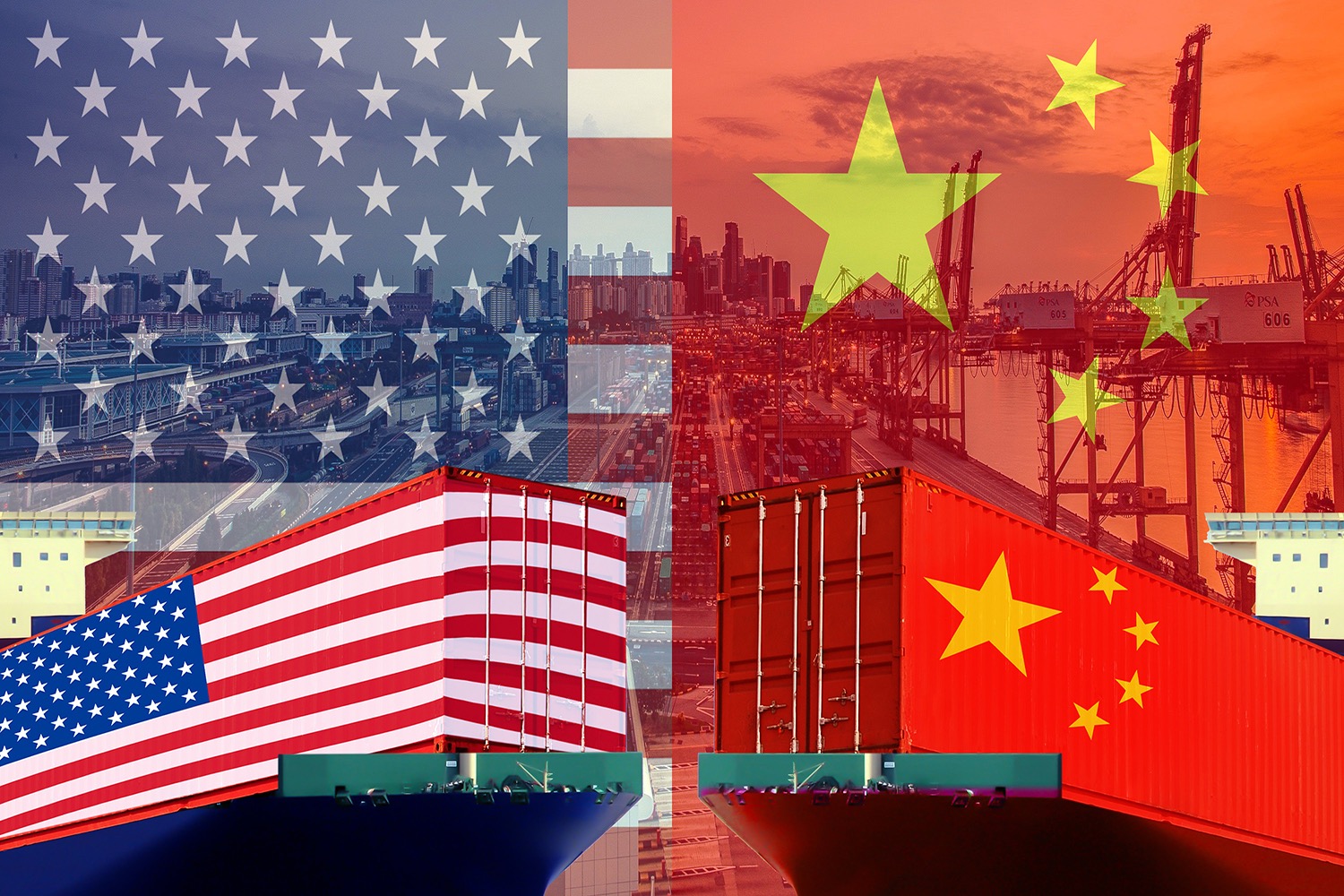
As global trade tensions escalate in what analysts call Trade War 2.0, Thailand, a nation where exports drive nearly 60% of its GDP, faces both significant risks and unique opportunities. With U.S. tariff hikes under the Trump administration and retaliatory measures from China reshaping global trade, Thailand must adapt swiftly while leveraging its neutrality and economic strengths. This article explores the challenges threatening Thailand’s economy, the potential for growth, and the strategic measures needed to thrive in a fragmented global market.
Thailand’s export sector is under pressure as U.S. tariffs disrupt global trade. From April 5, 2025, a 10% tariff increase will affect Thai exports to the U.S., Thailand’s second-largest market after China. A 90-day pause on reciprocal tariffs for most countries (except China at 145%, Canada at 24%, and Mexico at 25%) starts April 9, 2025, but tariffs are expected to remain elevated post-pause. This will likely reduce demand for Thai goods like electronics, machinery, automotive parts, agricultural products, and jewelry. With global trade slowing, Thai export growth is projected to drop to 2–3% in 2025, half of last year’s rate, impacting markets like the EU, Japan, and ASEAN.
The impact depends on Thailand’s tariff rates compared to competitors like Vietnam, Indonesia, and Mexico. For example, U.S. imports of syringes and needles from Thailand face a 15% tariff, far lower than China’s 245%, potentially allowing Thai products to gain market share in niche sectors. However, if competitors secure better tariff terms post-pause, Thailand’s export declines could intensify, particularly in the second half of 2025, as global demand weakens.
The trade war is reshaping Thailand’s import landscape. As U.S. tariffs divert Chinese goods from American markets, Thailand is seeing increased imports of Chinese raw materials, intermediate goods, and capital goods like steel and aluminum, which face 25% U.S. tariffs. This trend, driven by Thailand’s role as an alternative market and growing Chinese investments, has made these goods dominant imports over the past four years and is expected to intensify as Chinese firms expand in Thailand’s manufacturing and technology sectors.
Meanwhile, the U.S. is urging Thailand to address its $45.6 billion trade surplus by importing more American goods, such as soybeans, automobiles, corn, and coffee, and easing restrictions on products like beef and pork. The U.S. also seeks fewer barriers to American investments in Thai service sectors. Thailand is responding by offering to increase imports of U.S. liquefied natural gas (LNG) and agricultural products, with PTT’s contract to buy 1 million tons of LNG annually from 2026 as a key example. Negotiations during the 90-day tariff pause will shape these commitments.
Despite these challenges, Thailand is well-positioned to benefit from global supply chain shifts. As multinational companies diversify away from China amid trade and geopolitical tensions, Thailand’s neutrality and trade-friendly environment make it an attractive destination. The Board of Investment reported record-high foreign direct investment (FDI) application approvals last year, particularly in electronics, electric vehicles (EVs), and semiconductors. Thailand’s nickname, the “Detroit of Asia,” reflects its automotive manufacturing strength, supported by tax incentives for EV production. This rare, decades-long global relocation trend positions Thailand to attract sustained FDI, especially for exports to non-U.S. markets, which represent over 80% of global trade.
Thailand is benefiting from favorable global economic conditions. Inflation, projected at 1% in 2025, and declining commodity prices, including a $6 per barrel drop in Brent crude oil, are reducing production costs. Lower global demand is also decreasing shipping costs, easing financial pressures on Thai businesses. The Bank of Thailand is expected to cut policy rates twice in 2025 by 0.25% each, with commercial banks reducing loan rates by about half that amount, supporting investment and consumption. However, a weaker baht against the U.S. dollar is anticipated in the second half of 2025 due to slower export growth and rising imports, potentially reducing capital inflows and increasing import costs.
To navigate this fragmented trade environment, Thailand is prioritizing diversification and neutrality. The government is accelerating free trade agreement (FTA) negotiations with the European Union, Middle East, and India to reduce reliance on the U.S. and China. The ASEAN bloc and the Regional Comprehensive Economic Partnership provide stable trade frameworks, with Thailand increasing exports to ASEAN and Asian markets. FTA talks with the Gulf Cooperation Council, where bilateral trade reached $36 billion last year, underscore efforts to tap non-traditional markets like the Middle East, Latin America, and Africa.
Thai businesses are adapting by integrating imported goods, such as Chinese raw materials, into production to lower costs and boost competitiveness. The Federation of Thai Industries has proposed a “war room” to strategize U.S. trade talks, using detailed trade data and expert negotiators to secure favorable terms. Long-term strategies include transitioning to high-value industries like semiconductors and biotechnology, reforming education to build a skilled workforce, and digitizing regulations to attract investment.
Thailand’s diplomatic neutrality is a critical asset. As a U.S. treaty ally, Thailand faces scrutiny over its trade surplus but is engaging Washington through increased imports and investments. Simultaneously, Thailand is deepening ties with China through BRICS partnerships and infrastructure projects like the Belt and Road Initiative, ensuring access to Chinese markets and investments. This balanced approach allows Thailand to maintain economic flexibility without being drawn into superpower rivalries.
Trade War 2.0 presents Thailand with a complex interplay of challenges and opportunities. U.S. tariffs and Chinese retaliation threaten exports and increase import pressures, but Thailand can leverage FDI, cost reductions, and market diversification. By pursuing FTAs, fostering resilient industries, and maintaining neutrality, Thailand is poised to navigate this turbulent period and emerge as a competitive hub in a reconfigured global trade landscape.


