

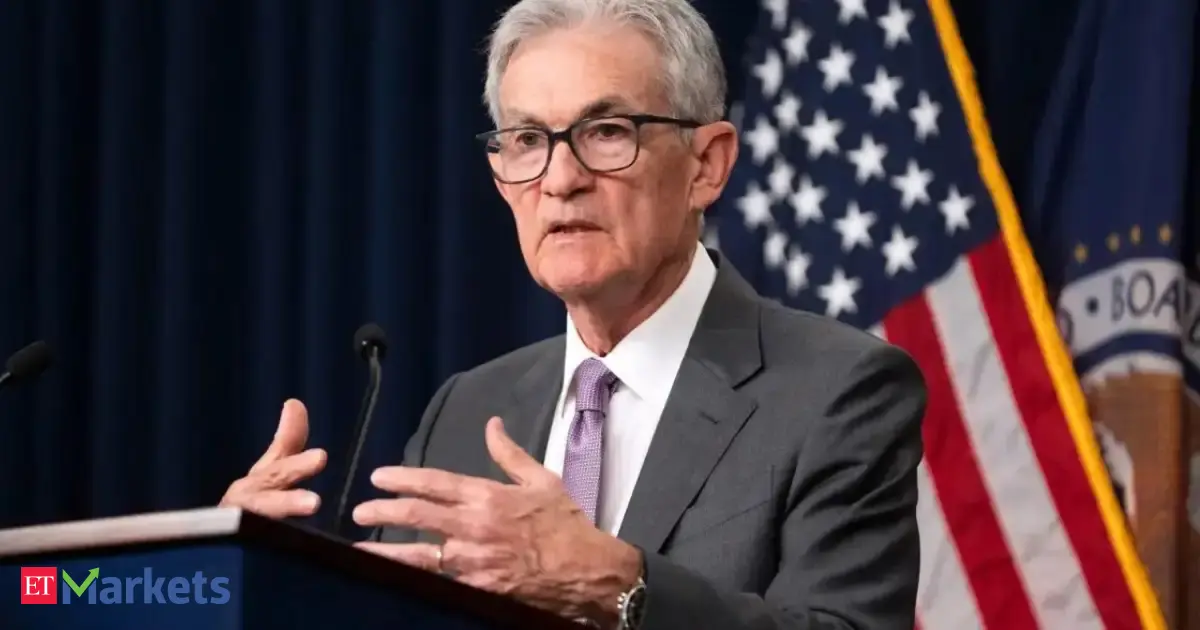
Federal Reserve Chair Jerome Powell’s decision to temper expectations for a near-term rate cut in his Jackson Hole address has rippled swiftly through emerging markets, with African and Gulf currencies bearing the brunt of renewed dollar strength. Rather than providing respite to fragile local units, Powell’s insistence on remaining “data-dependent” and patient has left regional central banks scrambling to defend their pegs, manage capital flows, and shore up reserves in an environment of sticky U.S. funding costs.
In Sub-Saharan Africa, the South African rand slid past 17.20 per dollar, its weakest level since early August, on heightened risk aversion. Kenya’s shilling weakened beyond 147.50 as importers faced more expensive dollar bills, while Nigeria’s naira extended losses in parallel markets to 790 per dollar amid dwindling oil receivables. Even Ghana’s IMF-backed cedi crept toward 14.30, reminding policymakers that financial support does not immunize emerging economies from global monetary shifts.
North African currencies have fared no better. Egypt’s pound dipped to 31.00 on the black market despite aggressive central-bank interventions, and Tunisia’s dinar sank under pressure from subdued tourism and rising import bills. Morocco’s dirham, though cushioned by its tight euro peg, slipped to 10.50 per dollar as the euro itself fell against the greenback, eroding exporters’ competitiveness.
In the Gulf, UAE dirham and Saudi riyal pegs remain intact at 3.67 and 3.75, respectively, but forward-point spreads have ballooned, signaling growing hedging costs for corporates. Turkey’s lira tumbled further to 28.70 after policymakers refused to hint at rate cuts, underscoring that inflation concerns still trump growth for many central banks. Israel’s shekel, long viewed as a proxy for risk appetite, weakened to 3.46 as global yield differentials widened.
Opinion: Emerging-market policymakers have little room for complacency. With the Fed signaling that a September cut is far from guaranteed, domestic rates in Africa and the Middle East may need to stay elevated longer than anticipated. That dynamic risks choking off much-needed growth, especially in economies reliant on dollar-denominated debt and external financing. Central banks must therefore walk an excruciating tightrope, defending currencies without stifling recovery.
For corporate treasurers and sovereign borrowers, the path forward is equally fraught. Traditional forward contracts may prove costly as basis premiums surge, pushing many toward bespoke option structures that cap downside while preserving some upside in the event of a reversal. Scenario planning, rather than point forecasts, should underpin risk frameworks, with stress tests that account for both a stronger-for-longer Fed and potential spillovers from U.S. fiscal debates.
Policymakers, too, must act decisively. Strengthening foreign-exchange reserves through strategic asset swaps or expanding bilateral currency swap lines can provide emergency buffers. Simultaneously, targeted fiscal measures, such as temporary import surcharges or phased subsidy reforms, can ease balance-of-payments pressures without triggering runaway inflation.
Looking ahead, markets will monitor incoming U.S. inflation data and regional central-bank meetings in South Africa and Egypt. Any hawkish surprise in Washington could push emerging-market currencies deeper into contraction, while a genuine dovish turn might deliver the relief many have priced out. In the meantime, Powell’s patient pivot serves as a stark reminder that in a world of competing monetary regimes, local fundamentals alone are rarely sufficient to shield domestic markets from global shocks.


