

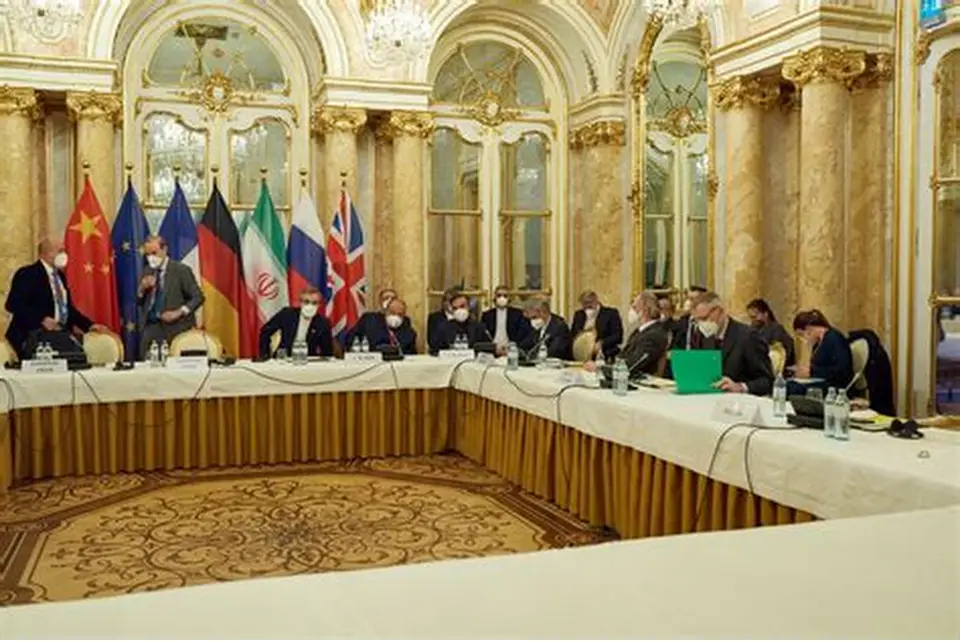
Iran’s recently concluded deputy-level negotiations with Britain, France, and Germany in Istanbul have paved the way for a historic reshaping of business in money and energy markets as the deadline for UN sanctions “snapback” in late August approaches. While Tehran demands nothing less than complete reimposition of its 2015 nuclear agreement benefits, and Europe demands verifiable limits on uranium enrichment, investors are redrawing oil, maritime, and regional trade route risks.
In the July 25 talks, Iran’s Deputy Foreign Minister Kazem Gharibabadi insisted that any renewal of UN Security Council Resolution 2231 would be “meaningless,” stating that Iran’s nuclear ambitions are peaceful. It was followed by an E3 diplomat reaction in which they stated that sanctions would not be reinstated unless and until Iran immediately reinstalled International Atomic Energy Agency (IAEA) inspectors and reduced its 60 percent enriched uranium reserve, which was already greater than 400 kg.
Traders reacted fast. Brent rose 1.8 percent on July 26 as investors worried that tighter sanctions would reduce Tehran’s approximately 2 million barrels-per-day exports. Ship charter rates for Middle East tanker routes climbed by 5%, indicating increasing geopolitical risk.
Shell and TotalEnergies have previously put more than $5 billion into Iranian gas development projects. Analysts believe a snapback would compel them to abandon joint ventures, damage assets, or reroute supply systems.
Banking institutions are also subject to such pressures. European banks with Iranian exposure are ready for compliance expenses and asset restrictions. Credit default swaps on large European banks increased by 12 basis points following the negotiations, indicating that premium rates for sanctions risk have risen.
Aside from hydrocarbons, trade excluding oil is waiting for a miracle. Farmers, vehicle makers, and consumer durables merchants are waiting for the reopening of finance lines to capitalize on Iran’s 85-million-strong market, which is expected to explode.
With only about a month remaining to close technical and administrative holes, markets remain tense. In terms of commerce, the outcome will determine whether Iran returns to international markets or becomes increasingly isolated, a watershed moment for energy, finance, and trade investment policies.


