

Malaysia is actively positioning itself as a dominant force in the global rare earth supply chain, aiming to become a leading refining hub for these critical minerals. With substantial reserves and policy support, the country could secure up to 12 percent of the world’s rare earth refining capacity by 2030, potentially ranking as the second largest processor worldwide.
The rare earth industry, often referred to as the industrial gold, is valued at nearly RM750 billion by the national investment authority. Malaysia’s deposits, estimated at over 16 million metric tonnes, place it among the global leaders. This potential is expected to attract large-scale foreign investment, stimulate job creation, and reinforce the country’s economic resilience.
Despite these opportunities, challenges remain. One of the most significant is Malaysia’s dependence on Chinese technology for refining processes. This reliance exposes the sector to geopolitical risks, especially amid growing tensions between the United States and China over control of critical minerals.
Recent tariffs introduced by the United States, targeting multiple regions including Southeast Asia, Canada, and Brazil, are part of a broader strategy to reconfigure global trade dynamics. The country’s concern about China’s dominance in rare earth processing has led to efforts to build an independent supply chain. However, the technical, environmental, and financial challenges involved are substantial.
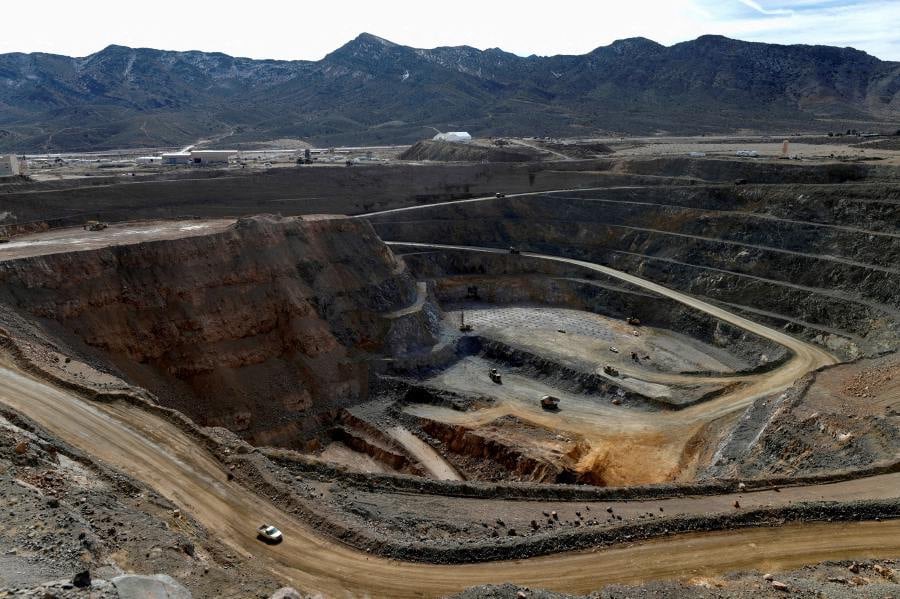
Malaysia’s rare earth ambitions are emerging at a time when the global landscape is shifting. While China’s share of rare earth output has fallen to around 70 percent, it still processes over 90 percent of global supply. Even the only rare earth mine in the United States sends its materials overseas for processing, underscoring the challenge of breaking this reliance.
Analysts warn that the broader impact of tariffs could also affect Malaysia’s other export segments such as electronics, rubber gloves, and furniture. These sectors could face a 19 percent tariff, putting downward pressure on export demand and increasing business uncertainty.
Moreover, concerns are growing about a potential recession in the United States. Slowing job creation, rising inflation, and a shift toward part-time employment are signals of deeper economic stress. These developments could further dampen global demand and disrupt export-driven economies like Malaysia.
Industry experts suggest that Malaysia must approach its rare earth strategy with long-term resilience in mind. This includes investing in local processing technologies, minimizing reliance on any single foreign power, and ensuring the supply chain is adaptable to global pressures.
By focusing on sustainable development and strategic partnerships, Malaysia has a real opportunity to cement its place in a high-value industry while navigating a complex and rapidly evolving global trade environment.


